

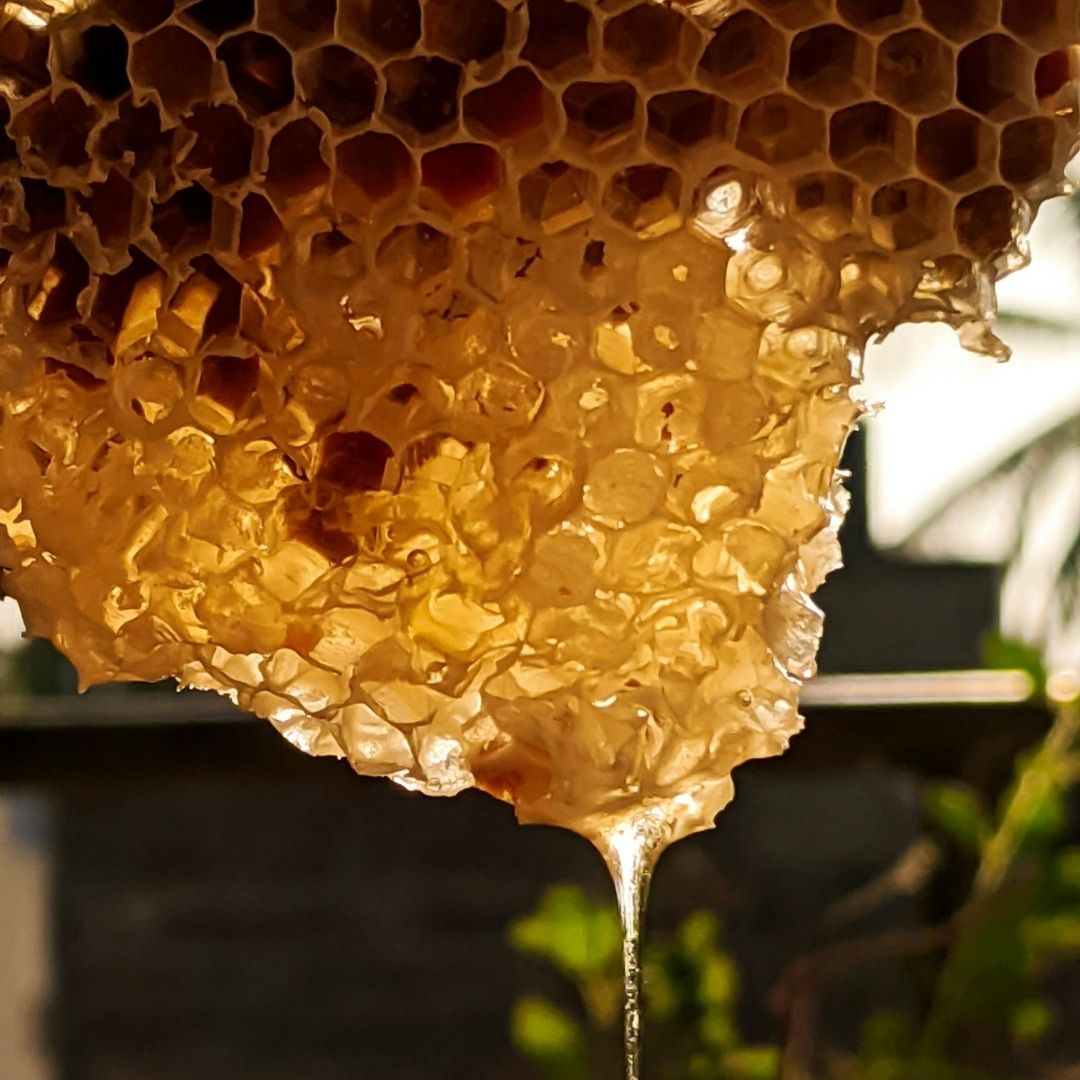
Last March, we learnt an alarming fact: According to the European Commission of Investigation, 46% of collected samples of honey imports were suspected of being adulterated with syrups. We understand this problem because some beekeepers and traders use cheaper substances, like sugar and syrups to increase profit, but what are the consequences for a beekeeper who produces good quality honey?
In recent years, the demand for honey has increased significantly due to the rise in demand for natural sugar alternatives. Today, Europe is not only as a significant local producer but also as a high consumer. This makes it the world’s top honey importer, accounting for about 50% of global imports.
“Adulteration is a very serious business,” says Jony, beekeeper and owner of Green Face Trading in Ethiopia, “some buyers buy adulterated natural honey, so people are talking about the fake honey.”
On February 4th, a provisional agreement was reached between the European Parliament and EU Council negotiators: labelling, tracking fraud and improving the product’s traceability were defined as the actions to ensure good practices, but is this enough? Maybe not. Beekeepers who follow good practices are hurt twice — by the unfair price competition with fake honey and the expensive laboratory analyses required to import to Europe because of adulteration.

Organic Honey, displayed.
Amongst other strategies, the EU is now revising the Honey Directive that will require clear labelling of all individual countries of origin of honey blends. Advanced technologies, such as Nuclear Magnetic Resonance (NMR), are also being employed to detect adulteration, comparing suspected honey samples against authentic ones to identify discrepancies, but this is very expensive.
“The regulations mean more procedures. This is expensive to pay, and it’s a big challenge”, shares Jony, “since we work directly with beekeepers, we have no issues with adulteration. However, we still need to pay for this special analysis, and it’s very expensive and has a huge impact on us.”
Additionally, the regulations don’t match the production complexities at the ground. For example, Green Face Trading harvests their honey in a huge forest, the Sheka Forest Natural Reserve. The area is extensive, and localising the precise harvest location is complicated, “We get a lot of different honey from many different parts of the forest, and this is hard to measure”, shares Jony. Could traceability be differently measured in these cases?
In short, adulteration is a tremendous challenge that needs to be addressed. However, the EU should acknowledge that new policies may negatively affect those who abide by the rules. Let’s hope this soon will change for the better.
0 Comments