

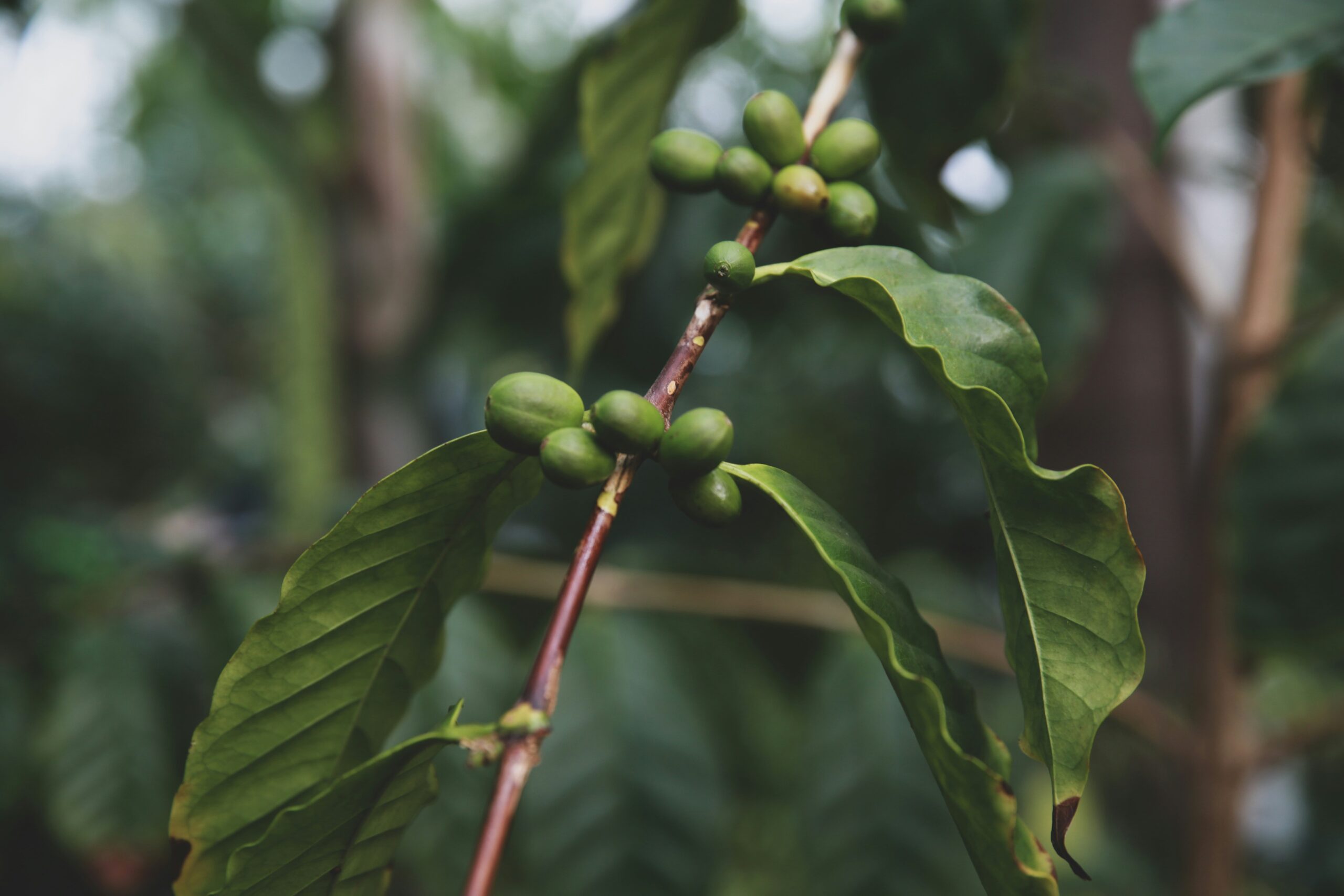
The Dutch Embassy in Colombia is interested in developing the coffee sector in this country. They are curious to learn about the potential interest of implementing sustainable practices in the coffee value chain and production. For this purpose, our team in Colombia, Lisanne and Juanita, developed a study centred on Colombia’s coffee heart: the Huila region.
Colombia, right? Such a rich and diverse country is also home to one of the best coffees worldwide. Coffee from Huila also has a Denomination of Origin, which made the region more interesting for the study.
Most coffee growers process their coffee on their own farms, including the drying. It is not strange to walk into towns where coffee of different quality is being dried on the roofs, sidewalks and even on highways. Naturally, this origin is quite an interesting hotspot for speciality coffee buyers, so experimental processing is quite common.
However, the coffee sector in Huila has its challenges. The need to comply with green regulations and the unpredictable weather pose significant hurdles. Moreover, issues like soil erosion and water management demand immediate attention.
Washed. A process that is well-known in Colombia requires a huge amount of water. In addition to this, one of the main challenges regarding water management is the contamination of water sources through *aguas mieles* (honey water that comes from the washed coffee).
Coffee growers are becoming increasingly aware of the risk of this contamination and are now seeking ways to combat this problem. Some solutions are more affordable than others, of course, and involve different types of filters. Also, several coffee growers are considering processing more naturals, which don’t require as much water, but do they have the proper assistance to develop these processing methods successfully?
Sadly, it doesn’t seem they do. The coffee value chain in Huila is not receiving sufficient support or technical assistance to develop these practices. Indeed, most interviewees mentioned infrequent and insufficient support.
However, it is not all sad news. Our team also identified clear opportunities for development that can improve water management, such as encouraging sustainable practices and implementing tools such as agroforestry and regenerative practices. Also, the government is investigating the circular economy concept, particularly in relation to the use of coffee by-products. Perhaps this is the moment for the coffee sector in Colombia to thrive according to the new global and environmental needs!
We will discuss this project again and go into more depth about the challenges and alternatives soon.
Recently, a meeting was held to discuss challenges and opportunities for impactful entrepreneurship in Colombia, specifically for the coffee and avocado value chains.
The aim is to find fruitful collaboration between companies, research institutions, social organizations, and government from both Colombia and the Netherlands to seize business opportunities and provide solutions to issues in these value chains. Colombia is the only country in Latin America where the Netherlands is developing this strategy. The goal is to enhance the export and investment position of Dutch entrepreneurs, remove barriers, and contribute to local economic development.
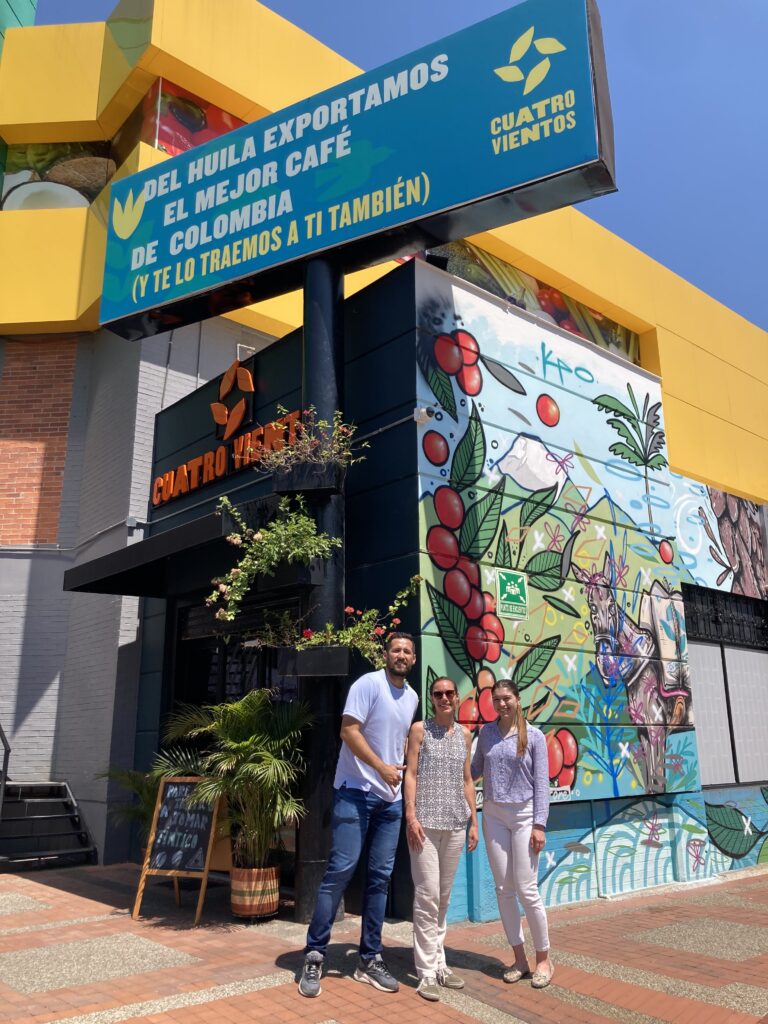
Lissane Groothuis and Juanita Rojas during the study.
Our colleague based in Colombia presented a brief overview of the coffee study she and her teammate developed for this purpose.
We are pleased to see that the outcomes of this study were presented and appreciated by an audience of some 20 stakeholders, including companies, the ministry, investment agencies, and the Embassy.
“It’s inspiring to realise that the results can have a direct effect on the coffee sector in Huila,” she shared.
The coffee sector in Huila has a long tradition and, as the study states, the opportunities for implementing proper agroforestry systems, looking into centralised processing facilities, and the subsequent development of a circular economic model are huge.
We cannot wait to see it happen as we strengthen our relationship with our partners.


0 Comments