

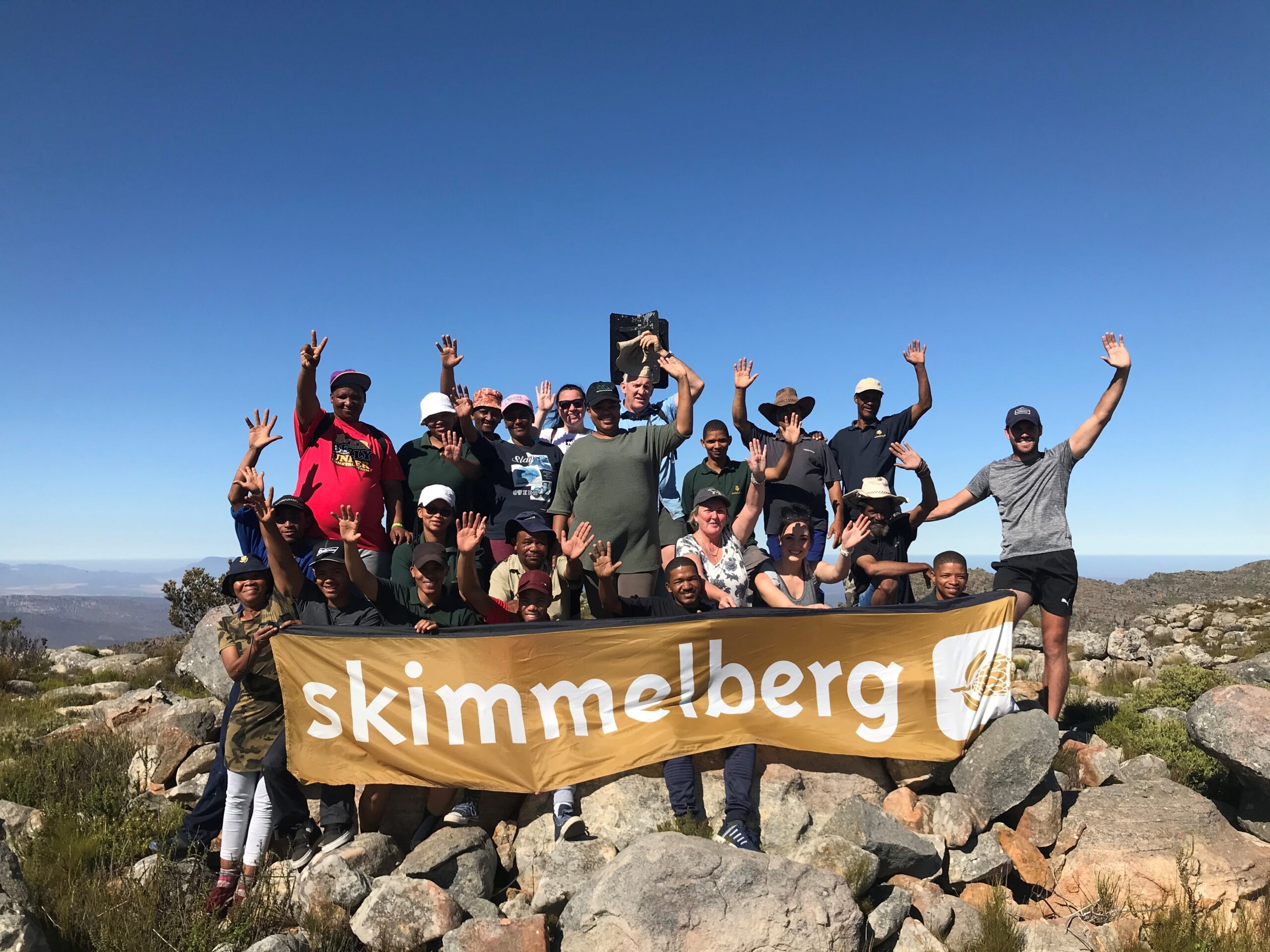
“This is our way of giving back by teaching respect for nature.”
Ría Slabbert

Two families came together one day decided to create an independent company and stop selling to third parties. One family owned the land, the other, the expertise. They had been thinking about becoming independent for quite some time but couldn’t fully commit to this brave endeavour until 2007.
It wasn’t easy, of course. They didn’t have one single client and, also, a clear vision of what they hoped to achieve. They knew one thing for sure: they aimed to create a biodiversity-driven tea company, that would bring back wildlife to the land and offer safe jobs to community members.
“It took us a lot of time to take the step towards independence” shares Ría Slabbert partner of the company, “but we managed at the end.”
Since the birth of the company, only 20% of the land is for productive purposes. The rest was declared a natural reserve, together with Cape Nature, called Skimmelberg Nature Reserve. Added to this, strict water management measures, solar electric adaptations, and worming composting are regular for Skimmelbergs’ productive practices. They also work with 65 community members, offering a steady source of income and social services that ensure their livelihoods and well-being in the long term.
After about ten years of constant efforts, the reserve began to sprout the life that had been then long ago: “A lot of insects that were no longer seen in the area are coming back,” shares Ria, “there are also leopards, snakes, and baboons.”
Today, Skimmelberg sells its products worldwide and is experimenting with new buchu and rooibos applications in cosmetics and food.
“We are constantly experimenting,” shares Ría.
For us, it’s inspirating to witness how direct trade, sustainability and good agro-ecological practices can and should come together and become possibilities for many.

0 Comments