

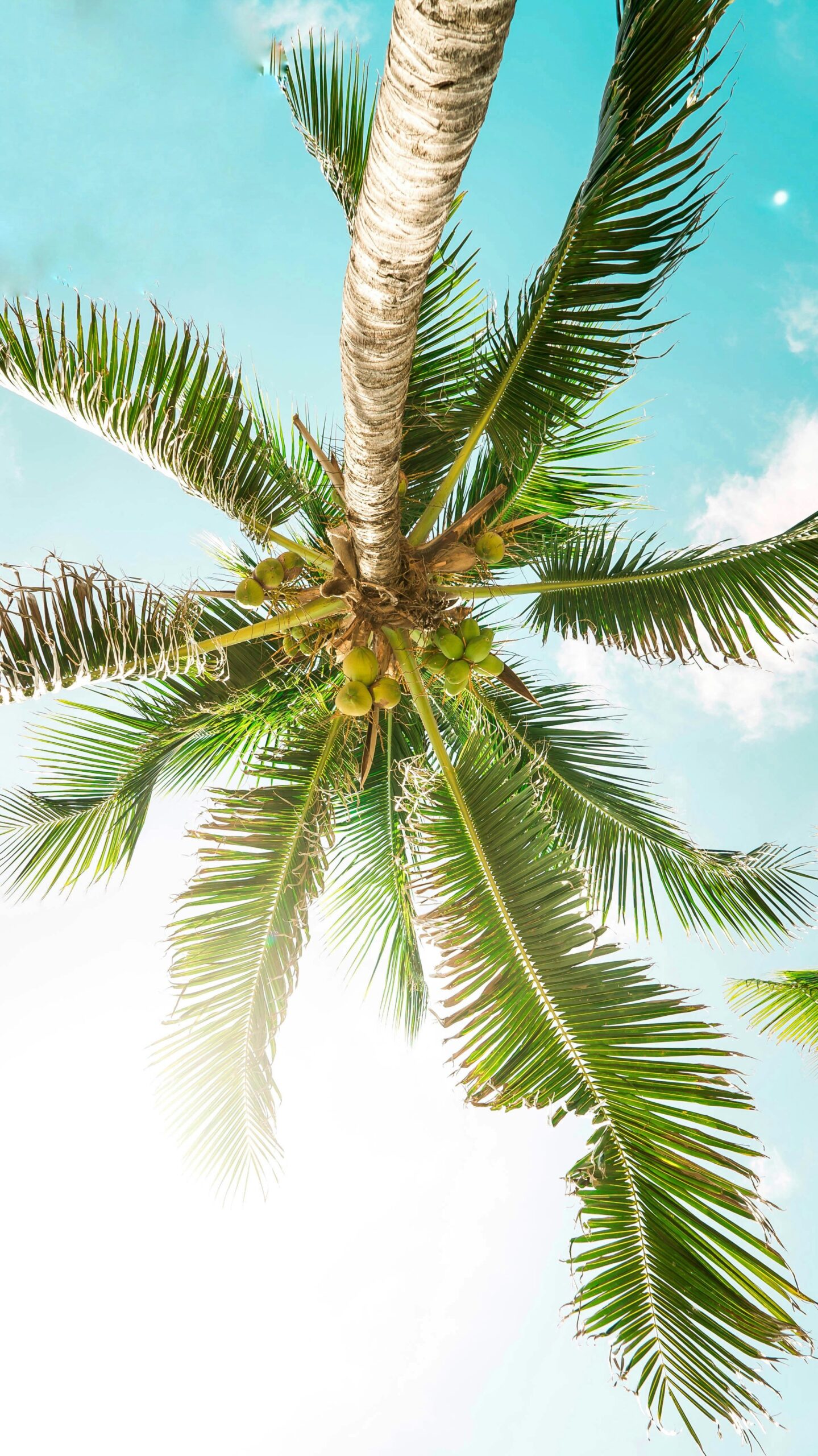
“We don’t plant, we don’t hurt the plant. The plant is already there, we just happen to collect its fruit.”
Guillaume Tauflieb

In São Tomé and Príncipe Islands, value laid on the floor without nobody noticing. Coconuts —ripe, rich in nutrients and possibilities— weren’t being valorised by community members.
The few collectors that harvested it weren’t getting a fair price for their work and produce. Guillame Tauflieb, as an agronomist traveling on the island in 2017, noticed this phenomenon and did something about it.
“It’s difficult to do business from an island in Africa”, Guillame shares, “but there are other benefits: this island is free of contamination and so to become organic is fairly easy and the potential of the product is enormous.” He thought this fruit, that grew wild in the forest, could also increase the livelihoods of the collectors. By offering better pay and providing them with close administrative and processing trainings, they could potentially improve the communities’ livelihoods in the long run.
The UN recently declared the island as a pinnacle for organic exporting and high-end products. So Guillame, together with his business partner, started the project by talking to the collectors. In 2018 they joinlty developed the fully regenerative, sustainable, and ethical value chain that is Valúdo.
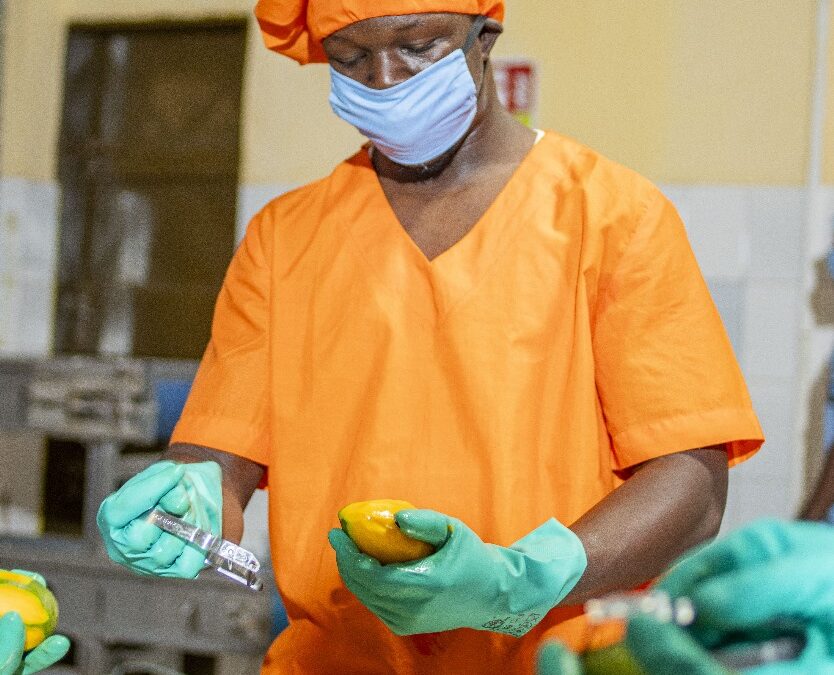
Over the past six years, Valúdo has fully automated the process, and increased the value of the coconut up to 40%. They work with over 600 collecting families and 80 employees, in the island. They have also diversified their production to oil, flour and dried coconut; 90% of their production is being exported!
Today, they focus on working with the collectors’ families on financial administration. “It’s not only about earning more money,” shares Guillame, “It’s about knowing how to use money.”
For us, this is a great example of product diversification, community welfare and sustainable management. Thanks to Valúdo, coconut is valued in São Tomé!
Curious about Valúdo?

0 Comments