

Organic dried mango has become one of the clearest examples of how value addition can reshape an origin’s role in European supply chains. The category sits at the intersection of two forces: steady consumer demand for organic products, and procurement teams’ insistence on verifiable quality systems, documentation, and consistency at scale. For buyers, the differentiator is rarely a single sample. It’s whether the supplier can deliver the same profile, the same cleanliness, and the same paperwork—shipment after shipment.
Within that wider market, Burkina Faso has carved out a distinctive position by focusing on organic dried mango. Rather than competing head-to-head with the largest fresh-mango exporters, the sector has built its reputation through processing: turning seasonal fruit into stable, export-ready product with a clear place in European sourcing corridors.
One of the companies most closely associated with that shift is Rose Éclat, a processor based in Ouagadougou whose story combines long operating history with the kind of operational details buyers care about: capacity, workforce stability, sourcing structure, and compliance readiness.
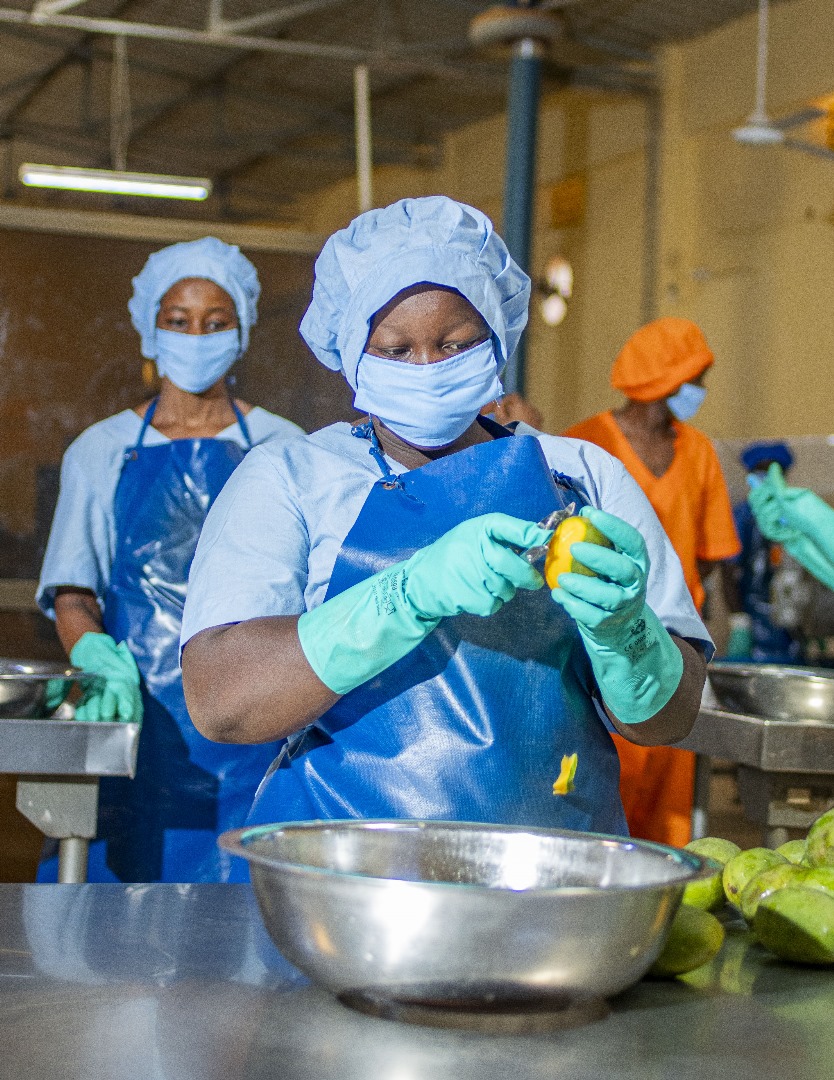
From a 300 kg consignment to a scaled processing operation
Rose Éclat traces its beginnings to 1999, when its founder and CEO, Rosemonde Rita Evelyne Touré, took an early consignment of dried mango to a regional agricultural fair—an initial commercial test that signalled export ambition from the start.
Today, Rose Éclat is described as producing more than 100 tonnes of dried mango each year and operating with a workforce of around 200 people, the majority women. For buyers, these figures are more than a story: they indicate where capacity sits, how seasonal production is staffed, and the realities of consistency when operations scale up during peak months.
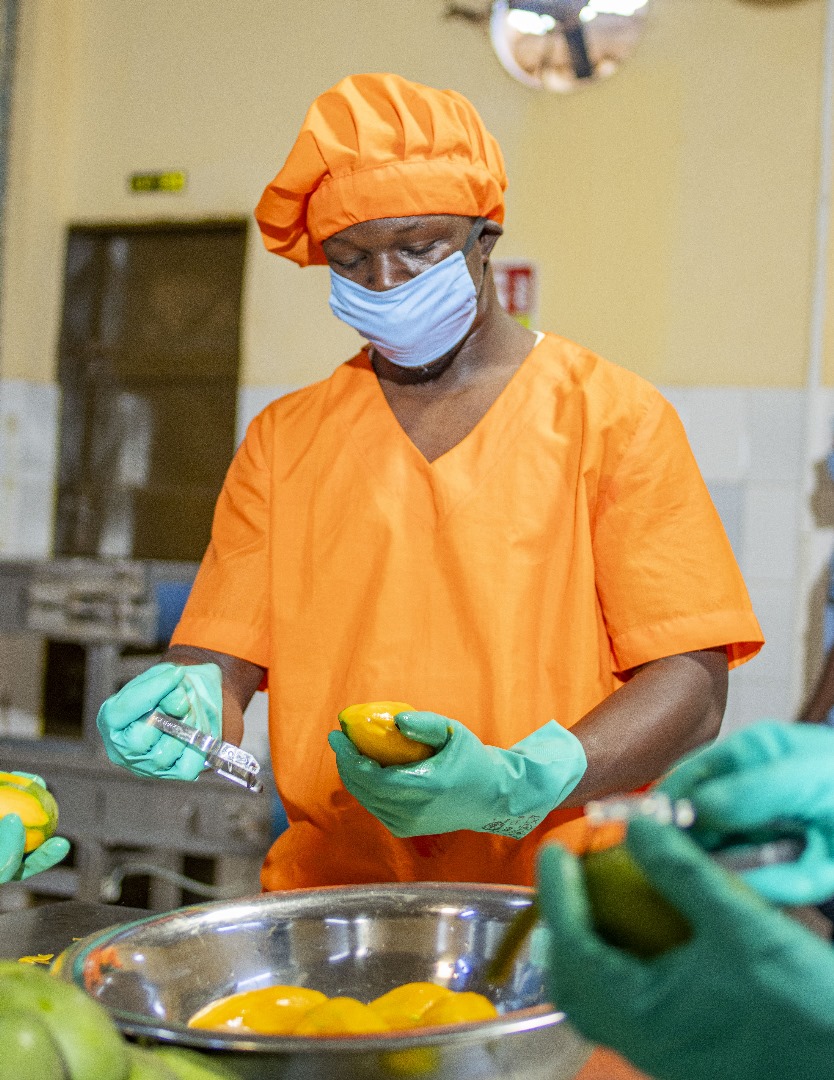
A sector with established export corridors
Burkina Faso’s dried mango industry is export-oriented, with long-standing commercial routes into Europe. The main entry points have historically been markets like Germany and the Netherlands, where organic and speciality ingredients are traded, distributed, repacked, and channelled to brands and manufacturers across the region.
At the sector level, mango is framed as a strategic product not only for export revenues, but for employment and rural livelihoods. That context matters for buyers because it shapes the ecosystem around the ingredient: availability of technical support, industry coordination, and the stability of supply relationships over time.
What Rose Éclat supplies: formats, varieties, and a wider dried portfolio
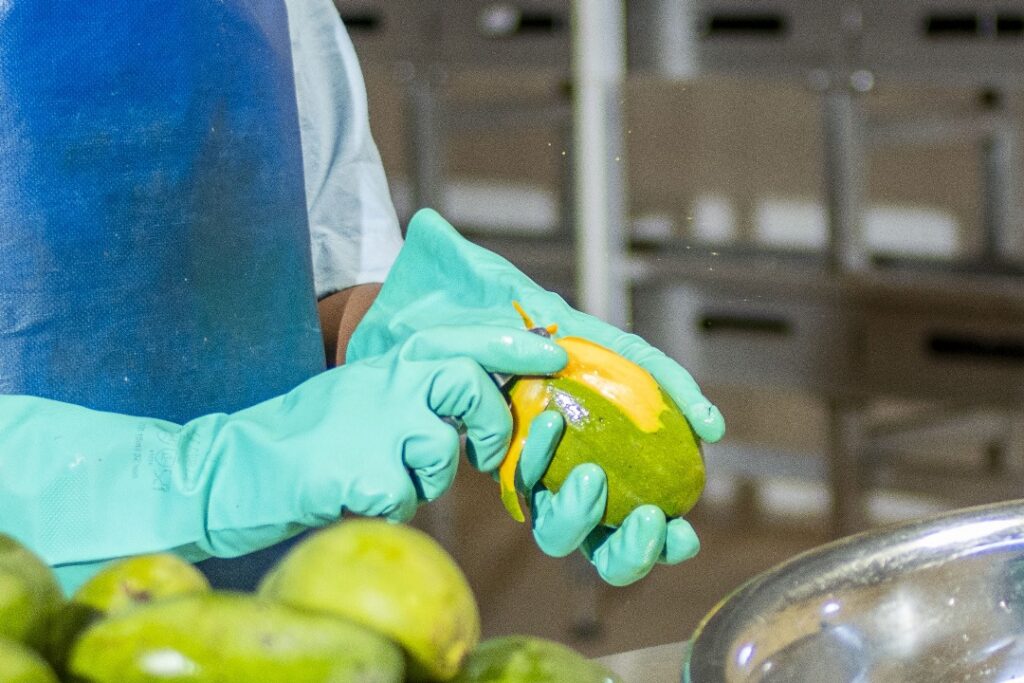
Rose Éclat positions dried mango as its flagship product and offers multiple varieties—reflecting what buyers often need when building a consistent profile across seasons. It also offers different cut formats such as slices and pieces, allowing product to be aligned with end-use needs, whether for retail packs, ingredient blends, or further processing.
Beyond mango, Rose Éclat has developed a wider dried range that includes other fruits and vegetables. For buyers, diversification is not only a catalogue feature. It can signal that a facility is structured to reduce seasonality risk, keep teams trained year-round, and manage multiple SKUs and traceability flows—provided that the same quality discipline applies across products.
Sourcing structure: own orchard plus producer networks
Rose Éclat describes a sourcing model built on two legs: supply from a family-owned orchard and partnerships with groups of small-scale producers across the country. This hybrid structure can offer resilience—combining a controlled base supply with broader producer reach, but it also raises the due-diligence questions buyers should ask in any networked supply chain:
-How are incoming lots defined?
-How is traceability maintained from farm groups to processing runs?
-What controls ensure consistent harvest and post-harvest handling across producers?
-How are suppliers trained, audited, and supported?
Compliance signals: organic positioning and food safety discipline
In dried fruit, buyer confidence is built through systems: clear specifications, batch-level discipline, and export-ready documentation. Rose Éclat presents itself through that lens, emphasising organic positioning and food safety approaches.
Operationally, dried mango quality depends on selection and sorting, controlled dehydration, and clean handling from intake to packing. For buyers, the practical question is not whether a supplier references food safety and organic requirements—it’s whether those systems show up in everyday execution: lot separation, cleaning effectiveness, moisture stability, packaging integrity, and the ability to provide a complete documentation set with each shipment.
“Convincing men to allow their wives to work was not easy. I still have letters from husbands about it.”
Rosemonde Touré, CEO of Rose Éclat
A buyer-relevant origin story—with operational substance behind it
Burkina Faso’s dried mango reputation is sometimes told through culture and origin narratives; procurement decisions are made through consistency, documentation, and operational credibility. Rose Éclat sits at the intersection of both: a founder story anchored in early export ambition, and an operation defined by capacity, workforce realities, and a sourcing model that links orchards and producer networks to industrial processing.
In a category where competition is increasingly decided by reliability rather than novelty, the most useful signal is often the simplest: an ingredient supplier that can demonstrate repeatable output and the discipline to support it with the documentation European supply chains require.



0 Comments